
Designing with Purpose: My Experience at Sunrise Pavilion
When I first walked through the doors of what would become Sunrise Pavilion, I didn't just see a building, I saw an opportunity. An opportunity to use design as a tool for healing, dignity, and hope.
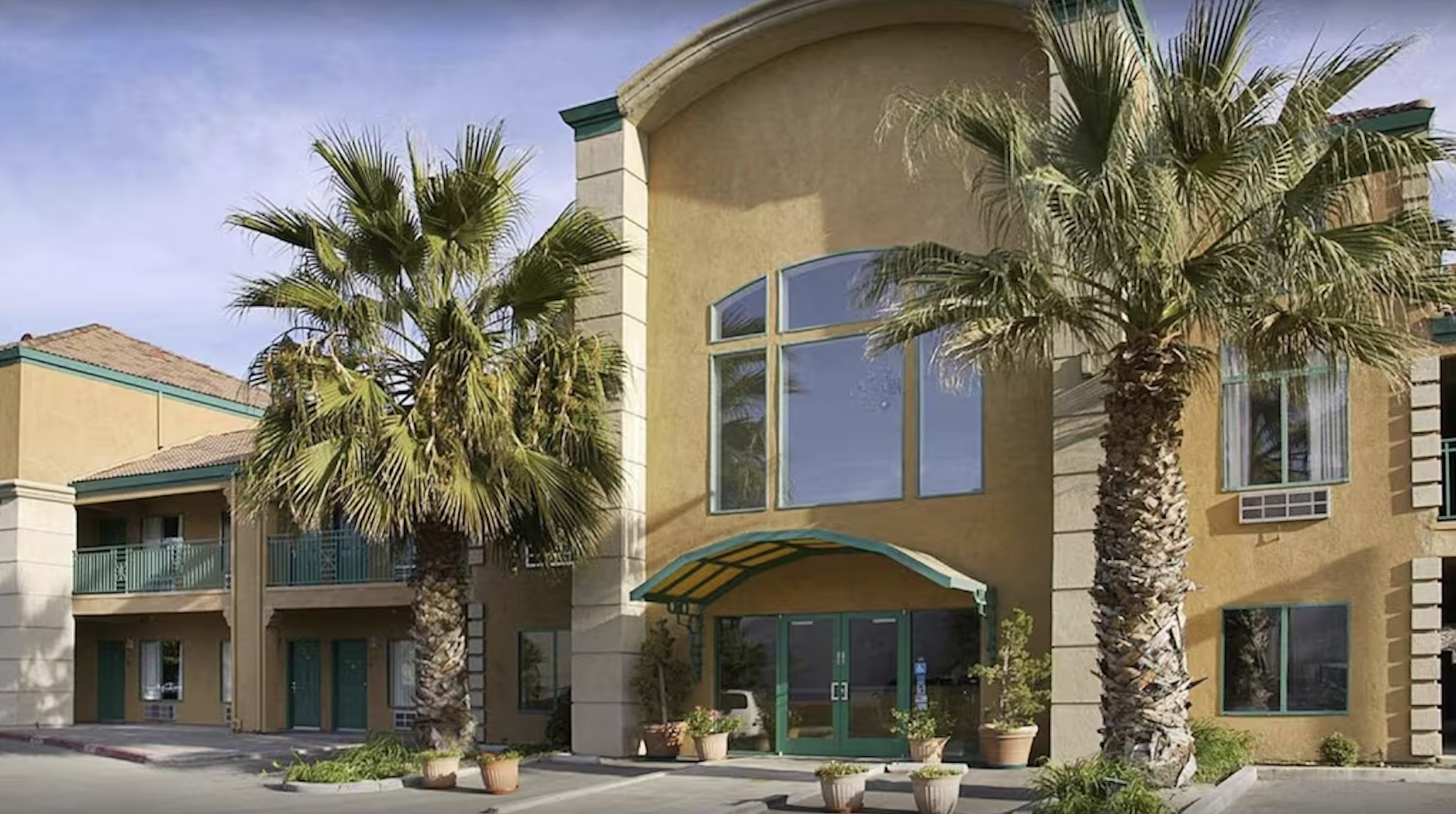
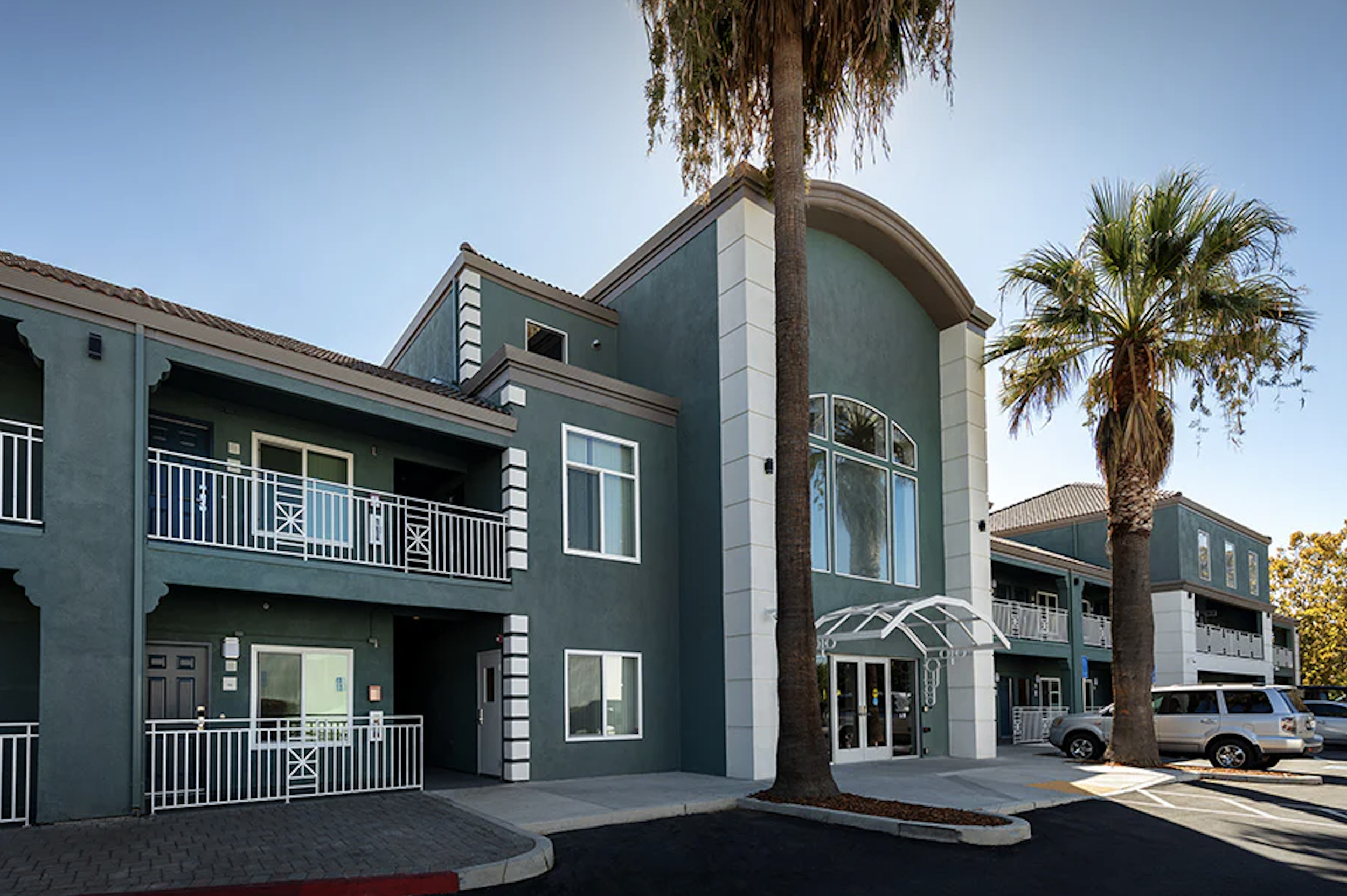
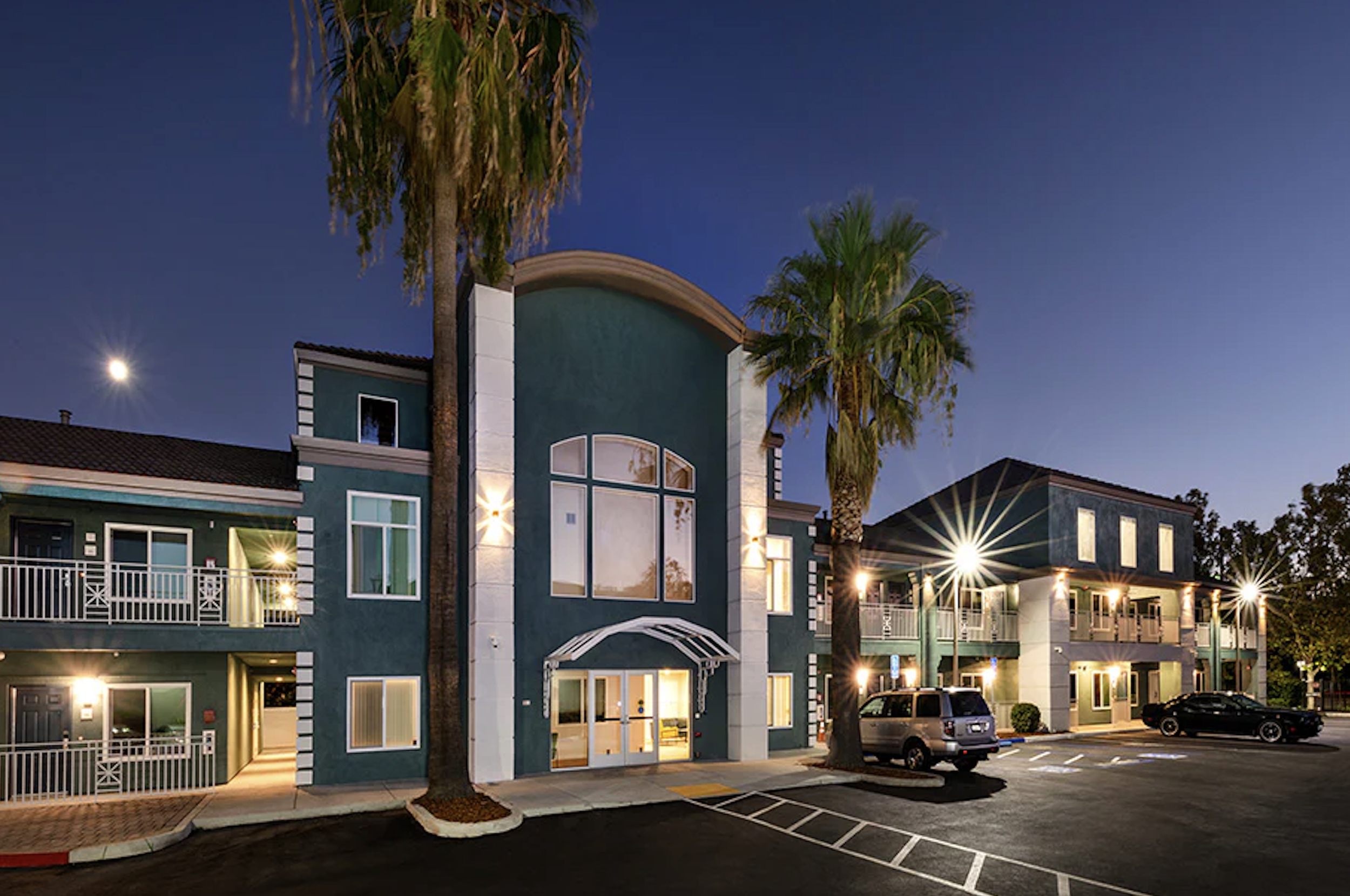
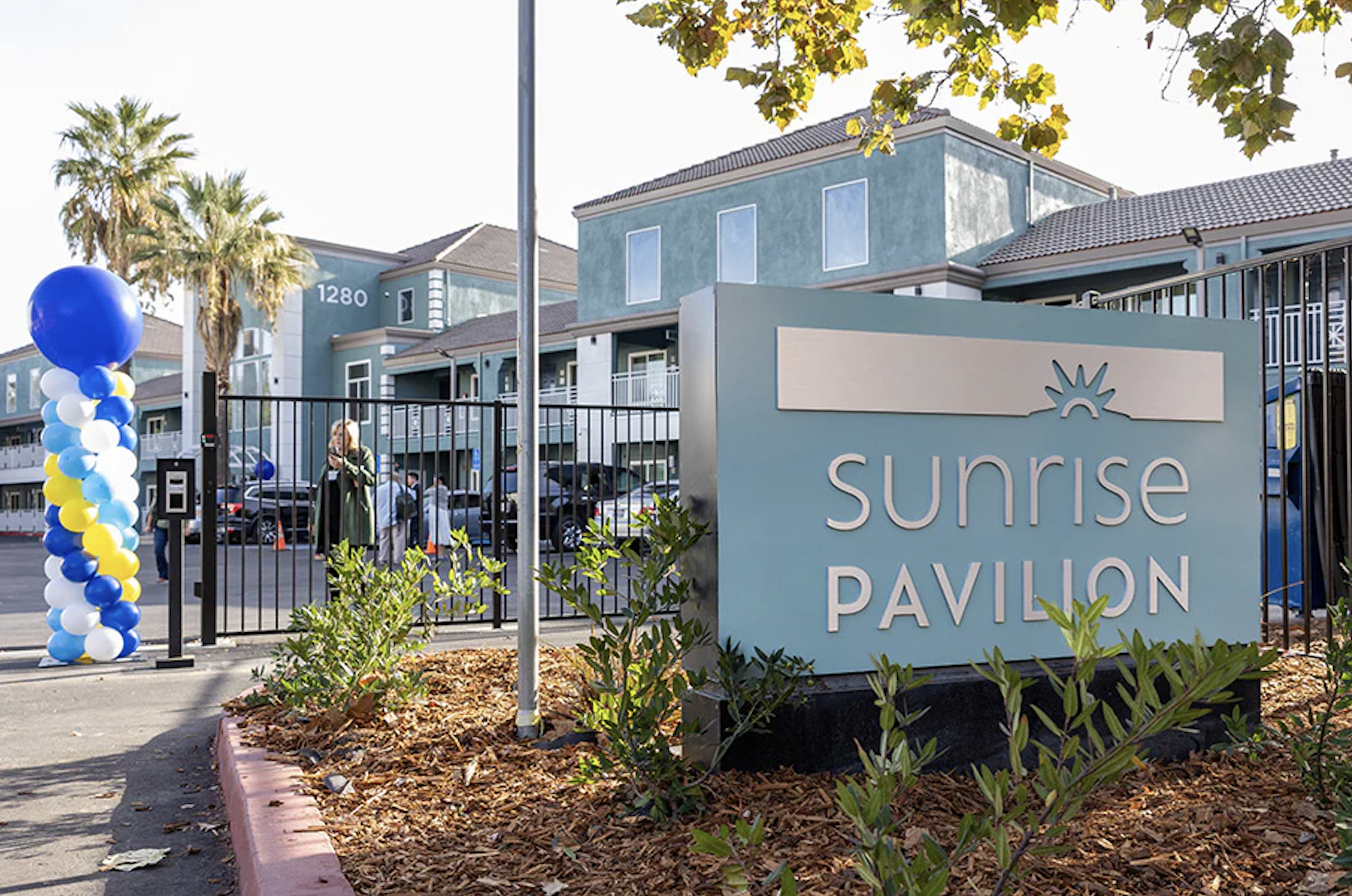
Sunrise Pavilion began its life as the Pavilion Inn, an outdated motel, a place that, on the surface, didn't look like much. But partnering with Jamboree Housing Corporation, I quickly learned that this project was so much more than a renovation. Sunrise Pavilion in San Jose, California, represents a groundbreaking approach to affordable and supportive housing for Transitional Age Youth (TAY), successfully transforming a former hotel into a vibrant community.
Who We Were Designing For
Before I ever picked up a paint swatch or sourced a single piece of furniture, I had to truly understand who would be calling this place home.
Sunrise Pavilion offers homes to young adults ages 18 to 24 who are exiting the foster care system in Santa Clara County. Homelessness among TAY often results from the challenges associated with leaving foster care and limited access to affordable housing — nearly 35% of homeless youth have experienced the foster system, and transitional-age youth moving into adulthood find themselves at a crossroads with limited housing options.
That knowledge changed everything about how I approached this project. Every design decision became intentional — *What does safety feel like? What does belonging look like? How do we make someone who has never had a stable home feel like they finally have one?*
Designing a Home, Not Just a Unit
The community features a mix of fully furnished apartments, including 30 studios, 12 one-bedroom units, and a two-bedroom manager's unit, each equipped with modern amenities.
For me, "fully furnished" was never just a checkbox. It meant that a young person walking through the door for the very first time would find a space that was ready to welcome them — a bed, a place to sit, a kitchen that felt like theirs. No emptiness. No barriers. Just home.
More than half of the homes are permanent supportive housing, providing residents with services that invoke safety and stability, while the remaining units are transitional housing, helping youth who are aging out of foster care gain the life skills to live independently. Knowing this informed how I thought about each space — some residents needed a long-term sanctuary, while others needed a place that could gently launch them into the world.
Spaces That Support the Whole Person
What I love most about this project is that the design had to work hand-in-hand with the incredible support services on site.
The Workforce Center is an onsite facility developed by Jamboree to jumpstart support for young adults transitioning into independent living, providing career counseling and helping TAY navigate the job market with personalized mentorship, as well as guidance on college or trade school.
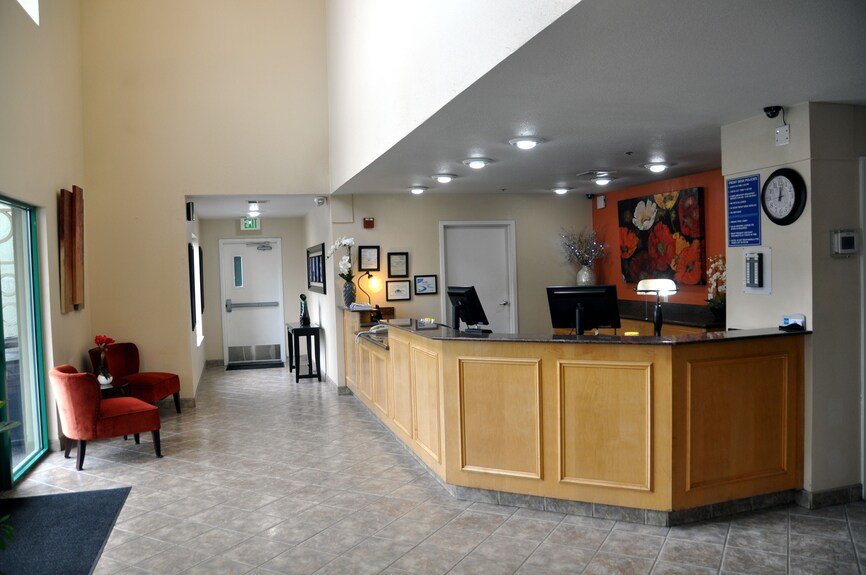
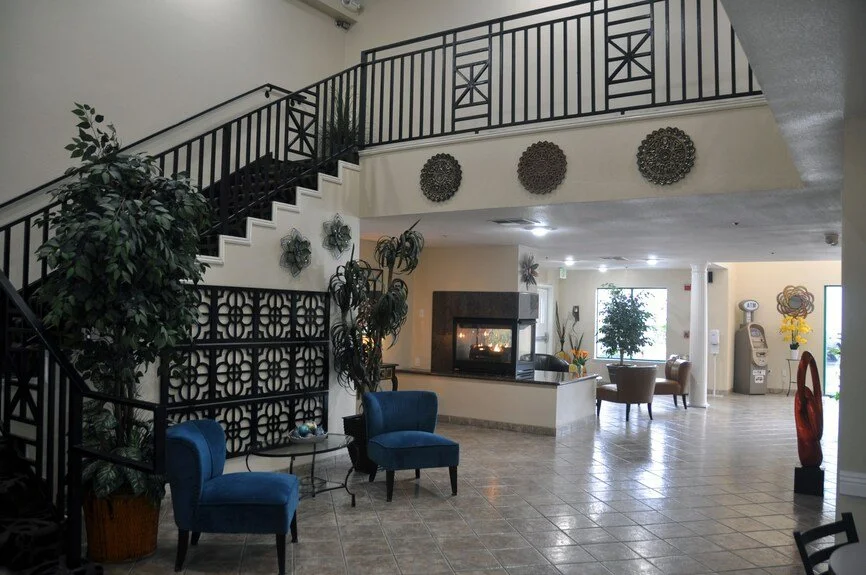
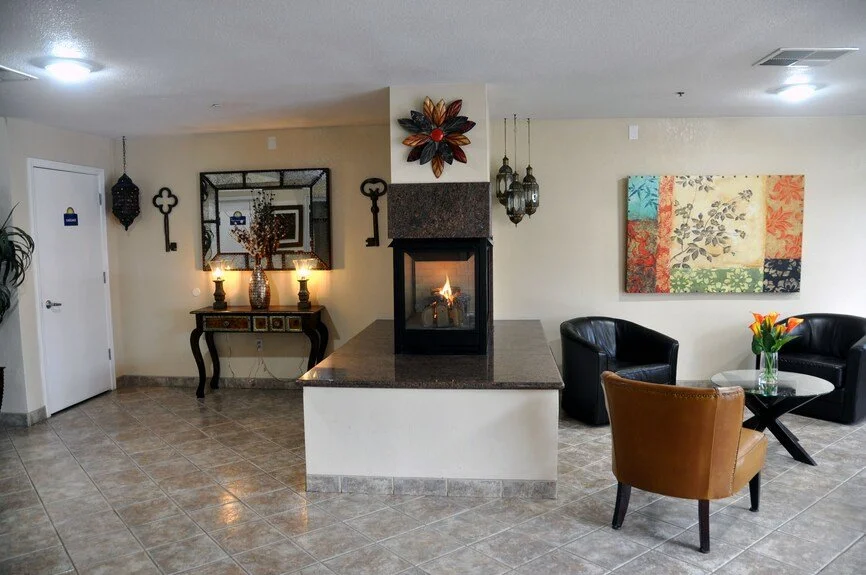
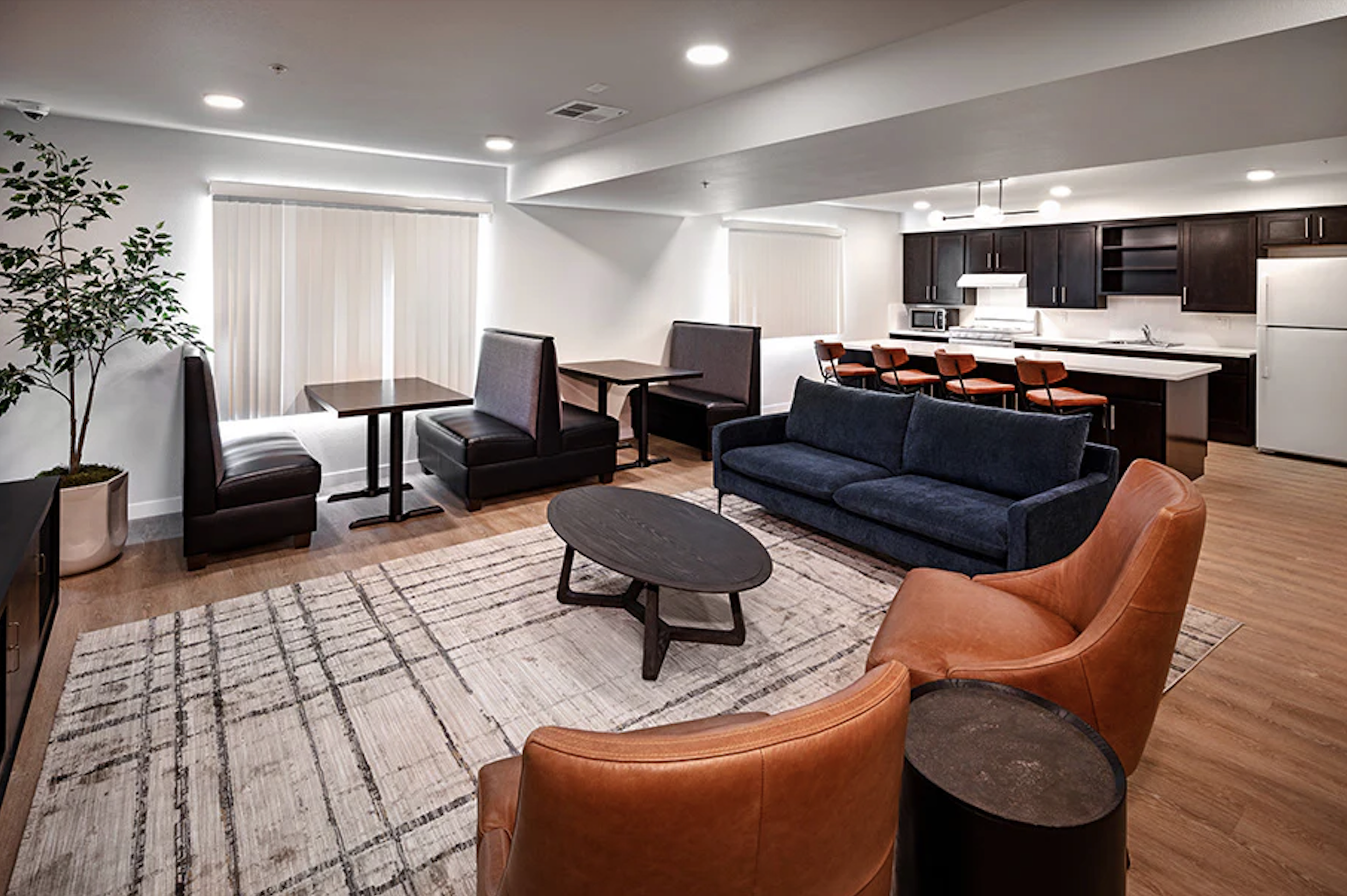
In addition to on-site supportive services, residents have access to amenities including a community room with kitchen, computer lab, laundry room, and bicycle parking.
As a designer, these shared spaces were where I could really let the community breathe. A bright computer lab. A welcoming common kitchen. These aren't afterthoughts — they are the heartbeat of the building.
The Weight of the Work
I won't pretend this project didn't move me. Nearly one in three young people aging out of California's foster care system ends up on the streets — that statistic sat with me throughout every design decision.
But what kept me grounded and inspired was the mission at the core of this collaboration. Sunrise Pavilion's goal is to get TAY on a path to economic stability. As an interior designer, I got to play a small but meaningful role in that path — by creating environments where young people feel seen, safe, and supported.
A Partnership Worth Celebrating
This community is the result of a joint effort between Jamboree, the City of San Jose, Santa Clara County Housing Authority, the Office of Supportive Housing, the Bill Wilson Center, and the State's Homekey program — each partner contributing their strengths and vision toward helping TAY achieve stability and independence.
Working alongside a developer like Jamboree — whose mission-driven approach permeates every aspect of their work — reminded me why I do what I do. Design isn't just about aesthetics. It's about impact.
Final Thoughts
Sunrise Pavilion isn't just about housing — it's about creating a future. The supportive resources available onsite aim to help residents develop career goals and access education, giving them a pathway to long-term stability. It's a testament to what's possible when communities come together.
And I'd add — it's a testament to what's possible when design leads with empathy.
I'm so proud to have contributed to this project, and I look forward to sharing more about the specific design choices, challenges, and moments of joy from Sunrise Pavilion in future posts. Stay tuned.
Have questions about designing for supportive housing? Want to collaborate on a mission-driven project? Contact me here.